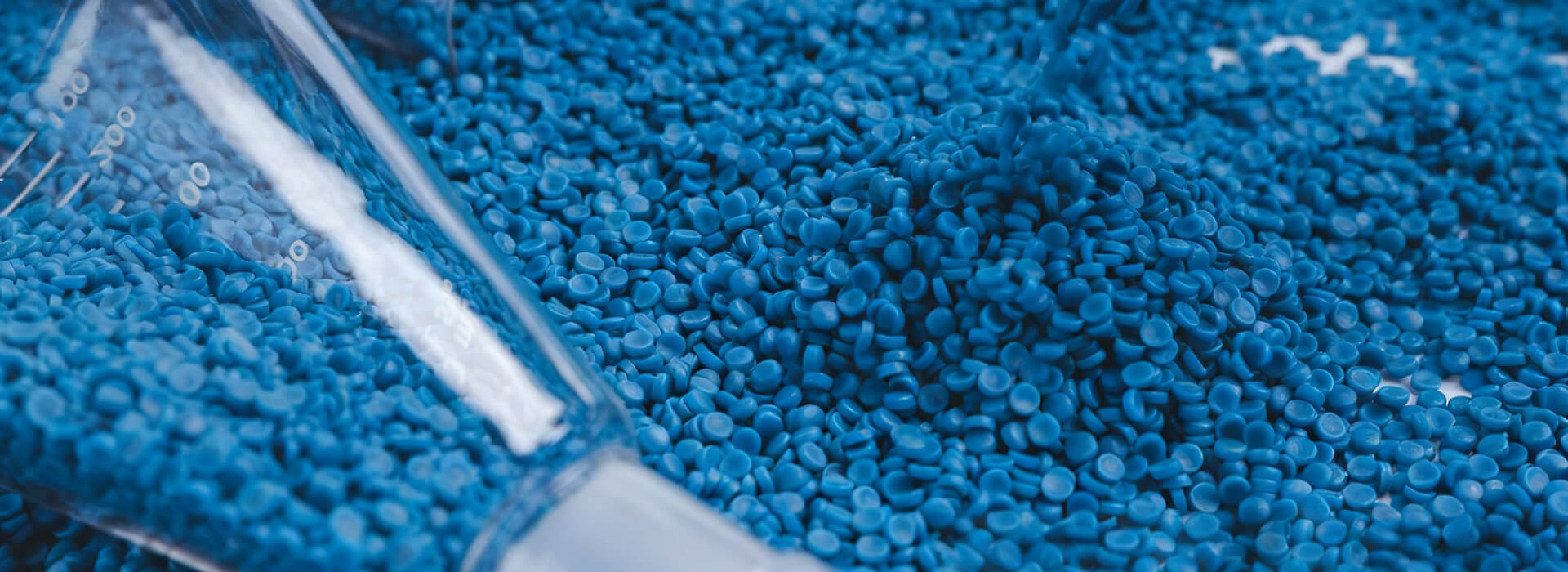
Calcium carbonate comes as a naturally occurring mineral, found in limestone, marble, chalk, and aragonite. The basic chemical formula is CaCO3. At its core, the structure reveals a repeating lattice of calcium ions, carbonate groups, and oxygen. People notice different appearances for calcium carbonate, depending on its source and how finely it’s processed. One can see it as large white blocks, fine powders, tiny pearls, translucent crystals, or even a milky suspension solution. Pure samples appear white or nearly so, though impurities sometimes introduce creams and tans.
Calcium carbonate reaches the marketplace in several forms: flaky, granular, powder, crystalline chunks, and, for specialty industrial applications, in a liquid slurry or solution. In industrial and laboratory settings, powder dominates, usually refined to high purity for consistent results. Bulk density varies by form, but most commonly falls near 2.7 g/cm3 (gram per cubic centimeter). Flakes or pearls offer different surface-to-volume ratios, letting producers fine-tune dissolution rates or reactivity in different processes. Synthetic grades often guarantee a minimum purity over 98%, whereas natural grades may carry trace minerals that contribute small variations in behavior.
The molecular weight of calcium carbonate lands at 100.09 g/mol. Each molecule consists of one calcium atom (Ca), one carbon atom (C), and three oxygen atoms (O). Looking closely, its trigonal crystal structure stands out in the calcite form, with aragonite showing a different orthorhombic pattern. These differences make an impact for folks working on scale-prevention, water treatment, or ceramic glazes.
Solubility in water runs low—just about 0.013 g/L at room temperature—which explains why undissolved particles collect at the bottom of a glass or beaker. That low solubility plays a huge role in hard water buildup and industrial scaling. Calcium carbonate remains stable up until temperatures climb past 825°C, at which point it decomposes into calcium oxide (quicklime) and releases carbon dioxide gas. Its Mohs hardness comes in around 3, making it soft enough to scratch with a copper coin. In powder form, it feels smooth and silky, with a tendency to clump in high humidity unless stored properly. The appearance of the crystals can range from clear to opaque and even fibrous in certain geological forms.
Inhaling fine dust or powder over time poses respiratory risks, especially in spaces with poor ventilation, so personal protective equipment such as masks and safety goggles matters a lot during handling. Skin contact presents little risk for most people, but sensitive users should wear gloves. Ingestion in small amounts brings no harm, and in fact, calcium carbonate serves as a dietary calcium source in certain supplements and antacids. At higher doses, especially with chronic exposure, one risks constipation or other gastrointestinal reactions. The compound itself doesn’t burn, but heating to decomposition produces quicklime, which reacts strongly with water and requires additional caution. Always keep powders dry to avoid caking, while storing away from strong acids, which cause violent effervescence and release carbon dioxide. Regulatory agencies usually mark calcium carbonate as safe for workers and consumers, provided dust levels stay low and ingestion remains reasonable. Classified as non-hazardous under the Globally Harmonized System, it remains important to keep the material away from the eyes and lungs.
Global trade recognizes calcium carbonate under Harmonized System (HS) Code 28365000. Different customs authorities rely on this code to track shipments intended for use in food, plastics, rubber, paint, papermaking, and construction. Producers label bags, drums, or containers with the correct HS code and product description to help customs officers, importers, and end-users verify quality and legitimacy.
Calcium carbonate finds critical roles in a wide range of applications. Paper and cardstock industries choose it for filler and brightening purposes. Building contractors use it for cement and mortar, banking on its strength and setting properties. In paint and plastics, it boosts opacity and surface smoothness. Agriculture absorbs massive quantities as a liming agent, neutralizing acidic soils and unlocking nutrient uptake. Dental care uses it for both cleaning abrasives and providing mineral support. For all these functions, the source matters: some manufacturers quarry high-purity limestone, while others rely on biological shells or synthetic production routes to achieve consistency. Sourcing raw material links directly to finished product behavior, pushing buyers to demand certificates of analysis on granule size, purity, and trace metals.
Given the prevalence of calcium carbonate in nature — both above and below ground — its environmental impact mostly ties back to mining and processing. Operations disturb landscapes, alter water flow, and leave behind residues unless carefully managed. Dust released during crushing, grinding, and bagging travels through the air and, when inhaled, causes issues for local communities. Recovery plans and dust-suppression solutions, such as water sprays and bag filters, make a measurable difference. Large-scale calcium carbonate use in agriculture and construction rarely produces direct harm, though misuse in water bodies can raise pH levels enough to disrupt local ecosystems. Stringent oversight, strong workplace protocols, and transparent sourcing offer steps that keep both workers and the environment safe from harm.